2027: Wike’s shadow still hangs over PDP’s fight to unseat Tinubu
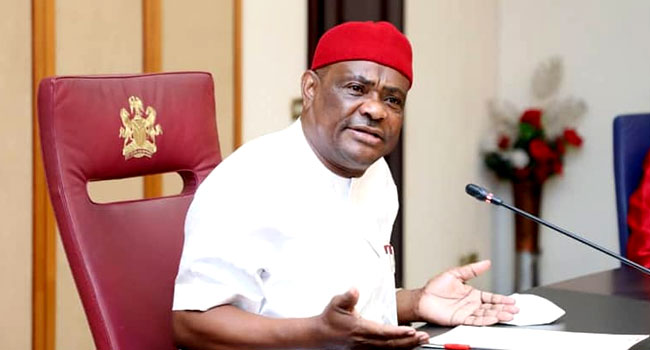
AT the centre of Nigeria’s political drama is Nyesom Wike, the former Governor of Rivers State and now Minister of the Federal Capital Territory (FCT). His influence in the People’s Democratic Party (PDP) is still strong and could shape its future. For years, Wike was the key figure in the PDP’s southern base. As governor, he built alliances, funded campaigns, and helped other governors win elections. His time in Rivers State gave the party strength in the region, while his connections across Nigeria made him powerful within the party. But those same networks also caused problems. In 2022, after Atiku Abubakar from the North became the PDP’s presidential candidate, Wike demanded that the party’s national chairman should come from the South. This followed the usual practice that the candidate and chairman should not come from the same region.
When the party refused, Wike and four other governors formed the G-5 group, a rebellion many believe played a big part in the PDP’s loss in the 2023 election.
When Defeat Breeds Complication
The PDP’s defeat in 2023 shook the party to its core. Its presidential ticket failed to unite supporters, party leadership was thrown into crisis, and the G-5 rebellion deepened mistrust.
Wike’s later appointment as FCT Minister by the APC gave him fresh visibility, even though he officially remained a member of the opposition.
Inside the PDP, the contradictions became sharper. Wike still held a seat on the party’s NEC while openly working against its interests in Rivers State and nationally, and he has publicly pledged support for President Bola Ahmed Tinubu’s re-election in 2027.
This left the party in a difficult position: suspend or expel him for anti-party activities and risk more divisions, or tolerate him and live with ongoing dysfunction.
Zoning to the South: Reckoning Too Late?
Last Monday, the PDP’s NEC officially zoned its 2027 presidential ticket to the South, while keeping the national chairmanship in the North.


Comments